Jane Goodall’s Journey of Hope
This inspiring case study explores the legacy of Jane Goodall—one of the most influential conservation voices of the 20th century—and connects it with the regenerative principles that guide the vision of EIR Resorts. Through storytelling, authentic quotes, and deep reflections, the article draws a parallel between the impact of purposeful travel and the transformative power of tourism when aligned with respect for life, education, and the restoration of the planet. A must-read for those who believe that conscious luxury and courageous leadership can change the world.
REGENERATIVE TRAVEL
Michel Eganya
11/4/202512 min read
Jane Goodall’s Journey of Hope
Jane Goodall embodies the essence of the conscious traveller; a pioneer inspiring a regenerative future for how we explore the world.
Dedication
On October 1st, 2025, the world lost one of its most luminous souls.
Dr. Jane Goodall’s voice, her courage, and her boundless compassion forever changed how humanity understands its bond with nature.
For us, it is an honor to dedicate this humble article to her memory;
a tribute to a woman whose life’s work continues to inspire a more conscious, compassionate, and regenerative world.
Her legacy reminds us that hope is not a feeling, but a responsibility.
And that through empathy, curiosity, and courage, we can still heal the Earth she loved so deeply.
In loving memory of Dr. Jane Goodall; a traveller of light who taught us to see the world with heart.
Globally renowned for her pioneering research on the relationship between humans and chimpanzees, Dr. Jane Goodall’s life story is as much about compassion and community as it is about science. Best known for her groundbreaking work in the forests of Gombe, Goodall has spent decades not only observing wildlife but also advocating for a more harmonious relationship between people and the planet. Her philosophy – rooted in respect for nature, optimism, and action – offers powerful lessons for the travel industry today. This case study explores how Goodall’s work and vision connect with the concept of regenerative hospitality championed by EIR Resorts, a new luxury brand that believes travel can heal ecosystems and empower communities rather than harm them. The narrative below blends Goodall’s inspiring journey with the regenerative ethos, illustrating a shared path toward travel that leaves a positive legacy.
Jane Goodall’s Early Work and Journey to Gombe
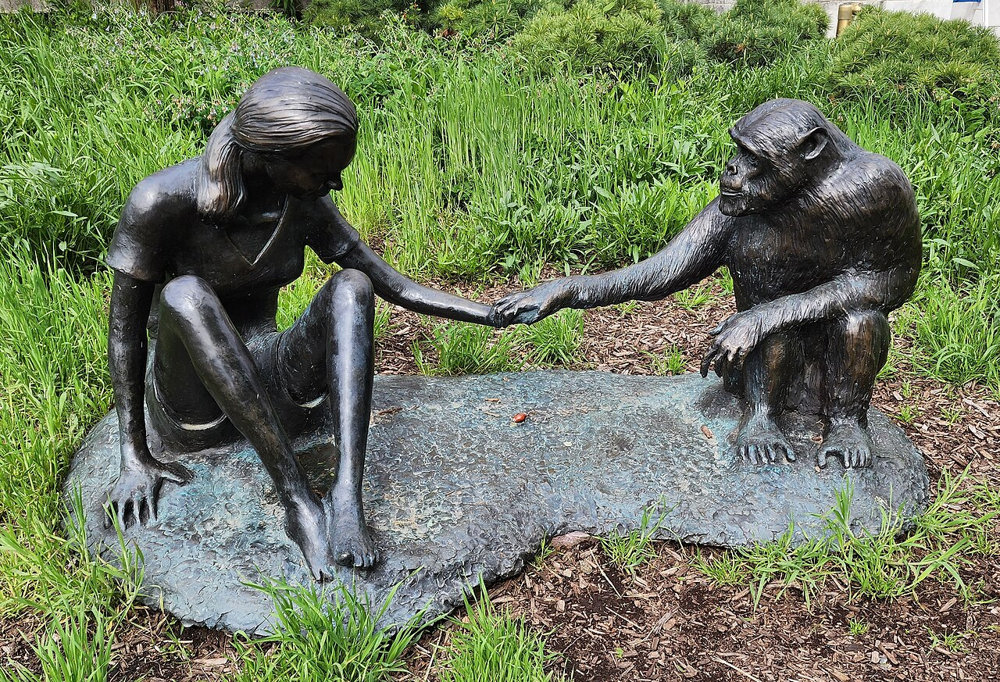
A young primatologist interacts with a chimpanzee in Gombe National Park (1977), exemplifying the intimate understanding Jane Goodall gained through years of field observation.
Jane Goodall’s adventure began in 1960 when, at just 26 years old, she ventured from England to the remote rainforests of Tanzania. With no formal degree in hand, she had been given a chance by anthropologist Louis Leakey to study wild chimpanzees – a bold endeavor for a young woman at that time. Settling at Gombe Stream on the shores of Lake Tanganyika, Goodall spent months quietly earning the trust of the chimpanzee families. Her years of patient observation led to breakthrough discoveries: she witnessed chimps fashioning twigs to “fish” termites from mounds, proof that chimpanzees can make and use simple tools – a behavior once thought unique to humans. This finding astonished the scientific world and forced a reevaluation of the boundary between humans and other animals. Goodall also documented the chimps’ rich emotional lives and complex social bonds, from affectionate mother-infant relationships to power struggles among males. By giving her study subjects names like David Greybeard and Flo (rather than numbers, as was then customary), she quietly challenged convention and affirmed the individuality of animals. Her early work in Gombe forever changed our understanding of our closest animal relatives and made Goodall an icon of wildlife research.
Yet even as her fame grew through National Geographic articles and documentaries, Goodall’s focus widened beyond chimpanzees themselves to the bigger picture of their survival. In the mid-1980s, she had a revelatory experience that transformed her from scientist to activist. Flying over the Gombe region she once knew as lush, she was shocked by what she saw: the small national park remained green, but nearly all the surrounding hills had been denuded of trees. The booming human population in the area, struggling to farm and earn a living, had overharvested the forests. In that moment, Goodall realized that wildlife conservation could not succeed in isolation from the people’s needs. As she later put it, “it hit me then, as I flew over that little Gombe: if we can’t find ways of helping these people make a living without destroying their environment, we can’t save chimpanzees, the forest or anything else”. This insight prompted Goodall to launch community-centered conservation programs around Gombe and beyond – an approach that would prove visionary in its understanding that nature and human well-being are intertwined.
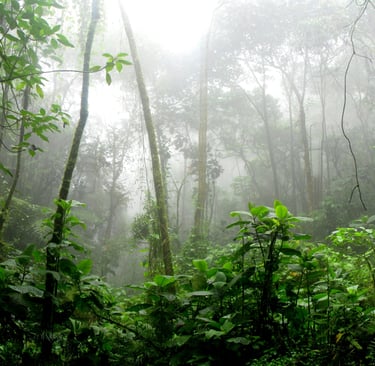
The Power of Travel to Protect Ecosystems and Empower Communities
Jane Goodall’s work has always been driven by a profound belief that personal encounters with nature can change hearts and minds. She has seen firsthand that travel – when done responsibly – can be a powerful force for conservation. “Tourism, well-managed, is very important for various reasons,” Goodall noted in an interview. In places like Africa’s national parks, she observed that responsible wildlife tourism brings multiple benefits: it provides critical funding for park management and anti-poaching efforts, creates jobs in parks, lodges and local businesses, and gives local communities a tangible stake in protecting wildlife. When villagers find steady employment as guides, rangers, or hospitality staff, they come to see value in keeping animals alive and habitats intact – a stark contrast to a situation where the only economic option might be slash-and-burn agriculture or hunting. Goodall explains that when tourism revenue helps people thrive, “the local people begin to see a value to the animals” and are incentivized to become long-term protectors of their natural heritage.
Equally important is the impact on the travelers themselves. A visit to the wild can awaken a deep empathy and resolve to take action. As Goodall describes, “being in the place and actually seeing the animals in their habitat with your own eyes makes you want to fight to protect it… When you look into a chimpanzee’s eyes, or a gorilla’s eyes, or an elephant’s, it changes you.” There is no substitute for that visceral connection. This is why well-regulated experiences – whether trekking to see mountain gorillas in Rwanda or observing chimps at Gombe – can turn tourists into ambassadors for conservation, provided the encounters are done with respect and care. (Goodall, in fact, helped establish guidelines such as limiting the number of visitors and maintaining distances, to ensure tourism doesn’t stress the animals.)
Goodall’s philosophy dovetails with the emerging concept of “conservation tourism,” a term embraced by her institute to describe travel that actively contributes to wildlife and communities. The Jane Goodall Institute emphasizes that tourism shouldn’t just avoid harm, but go further to create positive gains for conservation. In a policy statement, JGI endorses approaches that “seek actively to create conservation gains” and ensure that engaging visitors “benefits wildlife and enhances biodiversity” – all in partnership with local communities so that people share in the gains as well. In Goodall’s view, tourism done right can generate funds for habitat restoration, bolster education and healthcare in rural areas, and strengthen locals’ pride in their natural culture. In short, responsible travel can become “a powerful investment in conservation,” as she has often said, rather than an exploitative force. This vision directly parallels the principles of regenerative hospitality championed by EIR Resorts – the idea that travel should leave a place better off than before, by protecting ecosystems and uplifting host communities.
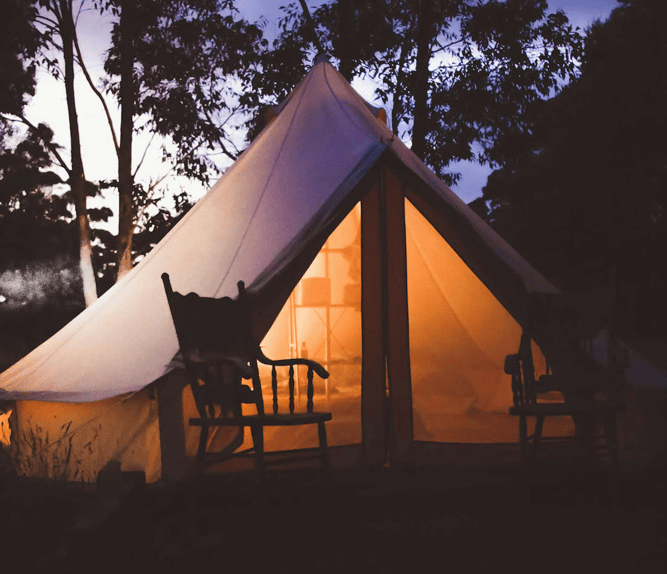
Her Role as a Messenger of Hope
Over the decades, Jane Goodall has evolved into a global messenger of hope, famous not just for what she did in Gombe but for how she inspires people everywhere to care. In her late 80s – a time of life when most would retire – Goodall was still traveling up to 300 days a year, crisscrossing the globe to speak about conservation and action. (She joked that she had two personas: the ordinary Jane who prefers anonymity, and the “icon” Jane whom people recognize in airports – a fame she decided to use in service of her cause.) Whether visiting a remote village or addressing the United Nations, Goodall’s core message is consistently hopeful: every individual matters and every one of us can make a difference. “Every one of us makes an impact on the planet every single day,” she reminds audiences, and unless one is extremely poor, each person can choose what sort of impact to make through their daily actions and choices. Rather than be paralyzed by the scale of environmental problems, Goodall encourages people to start with small changes – plant a tree, reduce waste, support a local conservation project – because collective small steps add up.
A key focus of Goodall’s outreach has been empowering young people. In 1991 she founded the Roots & Shoots program, which connects youth in over 50 countries to work on environmental, conservation, and humanitarian projects. She often shares stories of children and teenagers who became leaders in their communities. “Hundreds of young people have written to say joining Roots & Shoots was the best thing they ever did,” Goodall notes, highlighting how service can transform youth into confident changemakers. Even in regions where wildlife was once seen with indifference or fear, education has sparked new empathy. Goodall recalls a 12-year-old Tanzanian boy who told her, “Until Roots & Shoots, I didn’t know animals had feelings. Now, I’ll never hurt another animal as long as I live.” Such moments, she says, give her hope that attitudes can shift for the better.
Hope, in fact, is Goodall’s hallmark. In an age of climate anxiety, she stands out for her steadfast optimism grounded in experience. “People ask me, ‘Jane, do you really have hope?’ I know the problems… but I do have hope,” she says. Speaking at UNESCO headquarters in 2024, Goodall offered a powerful metaphor: She imagines humanity at the mouth of a long dark tunnel, with a bright star of hope visible far at the other end. “It’s no good sitting at the mouth of the tunnel and waiting for that star to come to us,” she cautions. “No! We have to roll up our sleeves; we have to climb over, crawl around, and crawl under all the problems that lie between us and the star.” In other words, hope is not passive – it’s a call to action, a light to guide our efforts through adversity.
Goodall often outlines her reasons for hope, which include the energy of young people, the resilience of nature, and the power of collective action. She has witnessed nature’s remarkable capacity to heal when given a chance. “If we give nature a chance, it will come back,” she insists, pointing to places like Gombe where denuded hillsides have been reforested and once-decimated wildlife is returning. Indeed, thanks to community-led tree planting and sustainable agriculture around Gombe, aerial views today show green forests where barren slopes existed decades before. This revival of Gombe’s ecosystem stands as living proof that damaged environments can be restored – a testament to hope in action. Goodall also believes in what she calls the “indomitable human spirit” – the extraordinary ability of individuals to persevere and tackle what seems impossible. In her speeches, she highlights unsung heroes solving problems in innovative ways, from grassroots conservationists in Africa to engineers advancing renewable energy. Her emphasis on holistic, collaborative solutions – “no organization can do it alone… we need to collaborate to make the world a better place” – resonates strongly with those building the future of sustainable travel. In carrying this message of hope, Dr. Goodall has become more than a scientist; she is a leader of a global movement for a kinder, greener world.
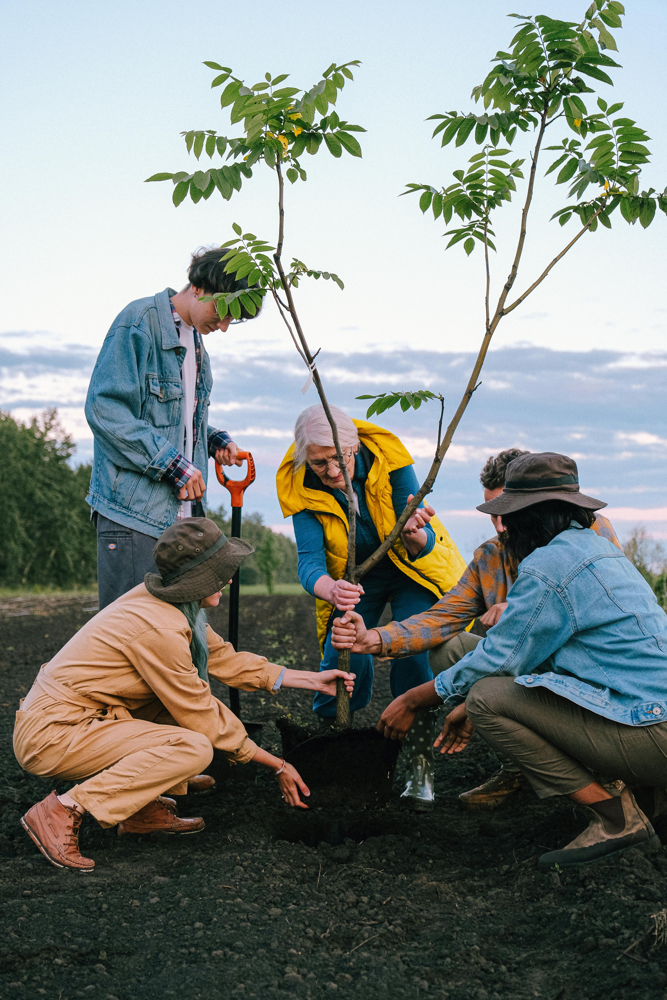
Parallels between Jane Goodall’s Philosophy and the EIR Concept
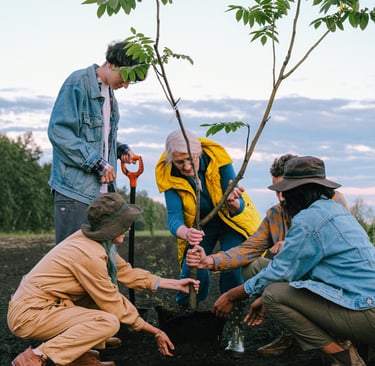
Protecting and Restoring Nature: Goodall’s ethos centers on not just studying nature but actively healing it. She learned that true conservation means restoring what’s been lost, from replanting forests to rescuing endangered animals. This aligns directly with EIR Resorts’ commitment to regenerative hospitality, a model in which luxury hotels are designed to have a net-positive impact on their environment. Just as Goodall celebrated the regrowth of Gombe’s once-barren hillsides (proof that degraded ecosystems can recover with care), EIR promises to build resorts that revive local ecosystems, turning degraded or already-developed lands into thriving habitats. Both Goodall and EIR believe that human intervention can be harnessed for positive regeneration of nature.
Community Empowerment: A cornerstone of Goodall’s philosophy is that helping local communities is inseparable from helping wildlife. From the 1980s onward, she championed community initiatives – such as education, healthcare, and micro-loans – around Gombe, knowing that people who have secure livelihoods become partners in conservation rather than adversaries. This principle is mirrored in the EIR concept, where each resort is envisioned as a community partner. EIR’s regenerative hospitality model pledges to prioritize local hiring and procurement and to invest in grassroots projects that benefit host communities. The idea is that a resort can be more than a business – it can be an engine for social development. Goodall’s work demonstrated that when indigenous people gain economic opportunities tied to conservation, they become long-term stewards of the land. EIR Resorts adopts that same approach, aiming to ensure that luxury tourism directly improves the well-being of the people who live around each destination.
Education and Connection to Nature: Goodall has always believed in the power of education and personal connection to drive change. She spent countless hours speaking with students, villagers, and global audiences to share knowledge about animals and inspire empathy. Likewise, EIR’s regenerative hospitality concept isn’t only about buildings and solar panels – it’s about the experience it offers to guests. By immersing travelers in local culture and wild landscapes, and by telling the stories of those ecosystems, EIR aims to educate guests in an engaging way. This reflects Goodall’s insight that once people understand the value of an ecosystem – once they have looked into the eyes of a chimp, or learned the name of a tree from a local elder – they are far more likely to care for it. Both Goodall and EIR see travel as an opportunity to foster a deeper connection between humans and nature. A stay at a regenerative resort, much like a visit to Gombe, can become a transformative lesson in why conservation matters.
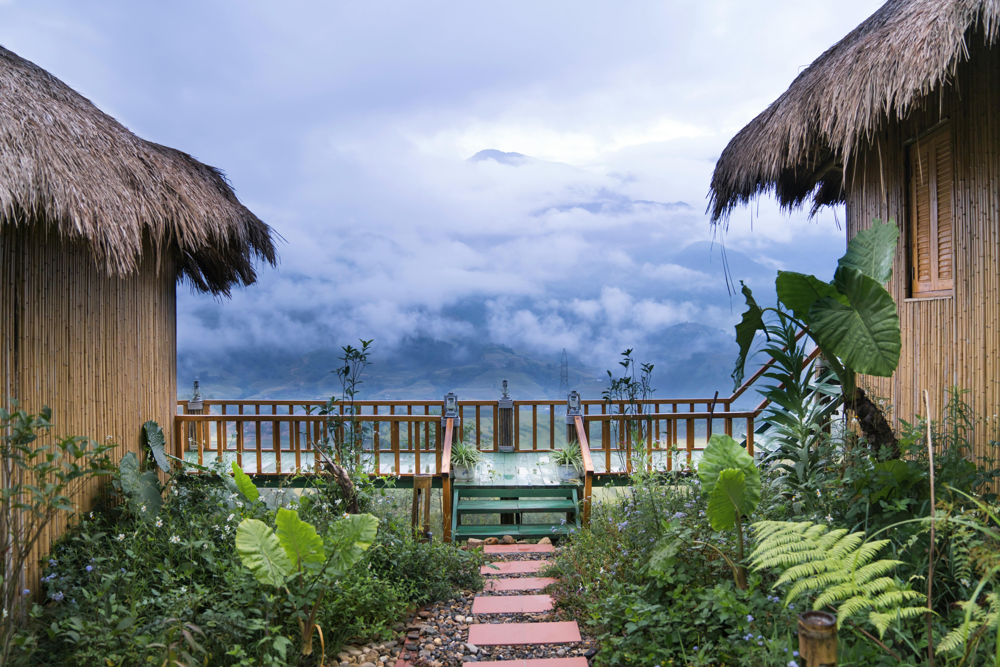
Leadership with Vision and Hope: Dr. Goodall leads through a vision of hope, continually urging bold action for a better future. EIR Resorts embodies a similar visionary leadership in the hospitality realm – the company was founded on the conviction that “luxury can heal, and leadership can serve” (as EIR puts it) instead of the old paradigm of luxury at nature’s expense. In practice, this means EIR’s business decisions are guided by long-term thinking and moral courage, much like Goodall’s decisions have been guided by her ethical commitment to the planet. Goodall has never shied away from speaking truth to power about unsustainable practices, and she challenges leaders to have the courage to do what’s right for the environment. EIR follows in those footsteps by rejecting short-term gains that come at ecological cost. The brand’s regenerative projects require patience, innovation, and faith in a hopeful vision – qualities epitomized by Jane Goodall. In essence, both Goodall and EIR demonstrate that true leadership is defined by serving a cause greater than oneself: for Goodall, it’s protecting life on Earth; for EIR, it’s ensuring tourism leaves a legacy of renewal and hope.
Conclusion: The Legacy of Jane Goodall and How Travel Can Change the World
Jane Goodall’s legacy is a profound testament to the idea that one person’s journey can change the world. When a young woman stepped into the African forest all those years ago, she could not have imagined that her curiosity would transform into a worldwide movement. Yet through her courage to challenge norms, her empathy for all living beings, and her unwavering optimism, Goodall has indeed changed how we see our role on this planet. She taught us that to truly protect nature, we must also uplift people, and that hope is a powerful force in driving action. Her influence now extends far beyond primatology – it lives on in every wildlife center teaching children, every community-led conservation project, and every traveler who comes home inspired to make a difference.
Today, forward-thinking travel and hospitality leaders are embracing Jane Goodall’s principles and carrying them into new contexts. The regenerative hospitality vision of EIR Resorts is one shining example. It takes to heart the notion that travel can be transformative – not only for the traveler, but for destinations and communities. By building hotels that restore ecosystems and investing in local people, regenerative travel models answer Goodall’s call to “do good, rather than just less harm.” They strive to ensure that tourism, often seen as a culprit in environmental loss, becomes a driver of environmental renewal and social empowerment. In this way, the act of traveling – of seeking out the wonders of the world – can help save those very wonders for future generations.
In the end, Jane Goodall’s greatest gift may be the hope she instilled in us that change is possible. She has shown that hope is not mere wishful thinking, but a call to action. As Goodall herself has said, “The time for talk has passed. What we need today is action.”. It is a message that the travel industry, and indeed all of us who move about this Earth, can take to heart. Each journey we embark on can be purposeful – we can choose providers and practices that give back to the land and people we visit. Each of us can be, in Goodall’s words, “making a difference every single day.” The legacy of Jane Goodall challenges us to reimagine what travel can do. If we answer that challenge, we ensure that every trip becomes part of the solution – healing, teaching, uniting – and that travel truly can change the world.
Sources:
Travel + Leisure (interview with Jane Goodall, 2023)
Wired (interview/Q&A, 2024)
The UNESCO Courier (Jane Goodall speech, 2024)
Jane Goodall Institute Global (publications and policy statements)


to support the vision and help us validate this concept that aims to change how we travel and how we care for the world — you can do so here by buying us a coffee:
© 2025. All rights reserved, EIR Resorts
Follow us on:




EIR is a regenerative hospitality brand built around people, nature and long-term stewardship.
We build slowly, with care and intention.
Explore